Keep It or Ditch It? A Furniture Owner's Guide to Knowing the Difference
There's a moment most of us have had. You're standing in your living room, coffee in hand, staring at a sofa or a side table or a bookshelf, and you can't quite tell if it's done or just going through a phase. Is that patina or is that damage? Is that wear giving it character or signaling its end?
The honest answer is: it depends entirely on what the piece is made of, how it was built, and what kind of design it started out as. Not all furniture ages on the same clock, and knowing the difference can save you a lot of money — and a lot of regret.
The Lifespan Isn't One-Size-Fits-All
Let's get the obvious out of the way first. Flat-pack furniture from a big-box retailer and a handcrafted walnut dining table are not aging on the same timeline. That's not snobbery — it's just physics. Particleboard swells, laminates peel, and cam-lock joints loosen with time and humidity. These pieces were designed for a five-to-ten-year window, and trying to hold onto them past that point is usually more effort than it's worth.
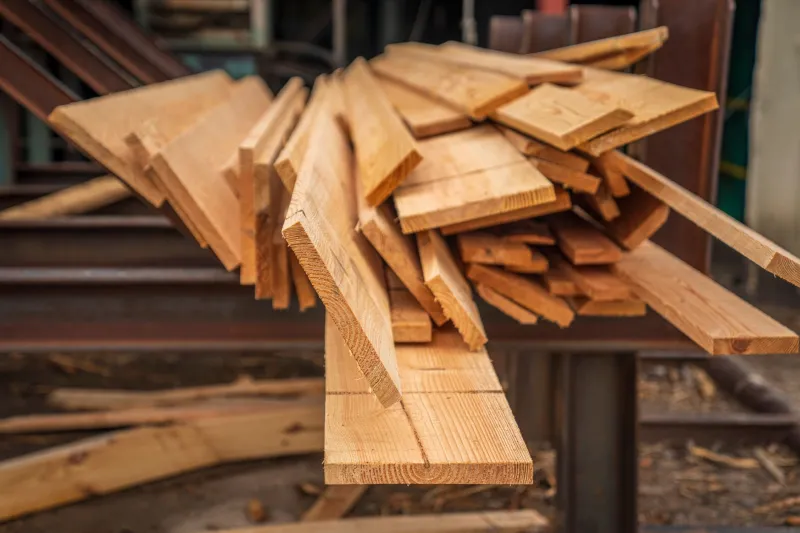
Solid wood, on the other hand, is one of those rare materials that genuinely improves with age. A well-made oak credenza from the 1970s is often more structurally sound than a new one built today. The wood has had decades to settle and stabilize. If you're sitting on solid wood furniture — especially anything with dovetail or mortise-and-tenon joinery — hold on to it. That piece is probably not even close to done.
What the Materials Are Actually Telling You
Upholstered pieces are where things get complicated. The frame might have another twenty years in it while the fabric is screaming for mercy. Before you haul a sofa to the curb, get underneath the cushions and press on the frame. If it's solid — no wobble, no creaking under pressure — you might just need a reupholster job. In most mid-size American cities, a skilled upholsterer can transform a structurally sound sofa for a fraction of what a quality replacement would cost.
Foam, though, is a different story. Foam degrades whether you sit on it or not. If your cushions are bottoming out or have lost their rebound, that's not a character flaw — that's a material reaching the end of its useful life. Budget for replacement foam or a new piece entirely.
Metal furniture — steel, aluminum, brass — is incredibly durable structurally, but the finish tells a different story. Powder coating can chip, chrome can pit, and raw steel will rust if it's not properly sealed. Here's the thing: a lot of that surface wear is actually desirable in contemporary design right now. Brushed brass with a little darkening in the grooves? That's not damage. That's depth. Unless there's actual structural rust compromising the integrity of the piece, metal furniture is almost always worth keeping.
Marble and stone surfaces are genuinely lifetime pieces — the material itself doesn't wear out. Etching from acidic drinks and scratches from everyday use are the real concerns. Light etching on marble can often be buffed out by a stone restoration professional. Deeper scratches are harder, but even then, a matte finish can sometimes be refinished in a way that blends beautifully. If you have a marble coffee table or a stone dining surface, the bar for replacement should be very high.
Design Style: Does It Have a Shelf Life?
Here's a question most guides skip entirely: even if a piece is structurally sound, is its design style aging gracefully?
Contemporary furniture tends to have a longer aesthetic shelf life than trend-driven pieces because it's rooted in form and function rather than flash. A clean-lined linen sofa in a neutral tone isn't going to look dated in five years the way a velvet chesterfield in a very specific shade of millennial pink might. If you bought into a micro-trend, that's worth acknowledging — sometimes the right move is replacing a piece not because it's broken, but because it no longer reflects where your aesthetic has landed.
That said, don't confuse tired of it with past its prime. We live in an era of constant visual stimulation. Instagram, Pinterest, design blogs — they all create a pressure to refresh constantly. But boredom isn't the same as obsolescence. If a piece is well-made and still functional, styling around it differently (new textiles, shifted placement, updated surrounding pieces) is almost always worth trying before replacement.
The Questions to Actually Ask Yourself
When you're genuinely on the fence, run through this checklist:
- Is the structure sound? Wobble, creak, and collapse are deal-breakers. Surface issues usually aren't.
- Is the damage cosmetic or functional? A scratch on a coffee table is cosmetic. A broken drawer slide is functional — but often fixable.
- Could a professional restore it? Upholsterers, refinishers, and furniture repair specialists exist in most metro areas and can do remarkable things.
- Is this piece replaceable? Vintage, handmade, or limited-edition pieces are much harder to replace than mass-market ones. The bar for keeping them should be higher.
- Are you replacing it because it's failing, or because you're bored? Both are valid reasons — but they lead to different decisions.
When Upgrading Actually Makes Sense
There's no guilt in replacing furniture when the time is right. If a piece is genuinely failing — the frame is compromised, the foam is shot, the finish is past the point of restoration — then upgrading is the smart call. The key is replacing it with something better, not just something newer.
Use the replacement moment as an opportunity to move up the quality ladder. A piece you buy with intention, from a maker or brand that prioritizes construction, should last you long enough that you'll never have this conversation about it again. That's the real win.
Knowing when to hold and when to move on isn't about following a rule. It's about understanding what you actually have — and making a decision based on that, not on pressure or boredom or a particularly convincing sale email.