The Flip Side of Good Design: How Collectors and Everyday Buyers Are Cashing In on the Modern Furniture Resale Boom
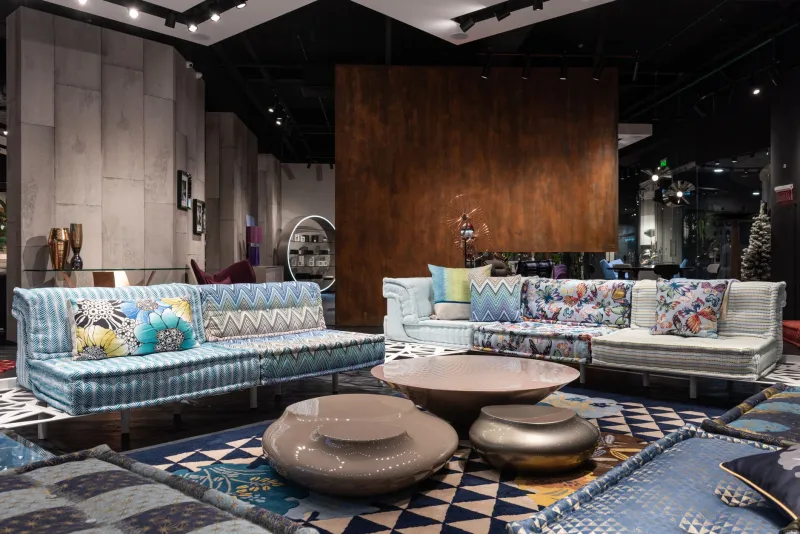
Not long ago, selling a used sofa meant a Craigslist listing, a blurry photo, and someone showing up with a truck. Today, that same transaction — if the sofa happens to be the right sofa — might play out on a curated resale platform, with a buyer in another state paying close to retail for a piece that's already lived in someone else's home for three years.
The modern furniture resale market has matured fast. What started as a niche corner of the broader secondhand economy has evolved into a legitimate secondary marketplace, one that's drawing interest from collectors, interior designers, flippers, and everyday homeowners who bought well and want to know what that decision is actually worth.
Why Contemporary Furniture Is Different From Your Grandma's Antiques
Traditional furniture collecting has always had a logic to it: age confers value, provenance matters, and the patina of time is part of the point. Contemporary design operates on different rules — and in some ways, more interesting ones.
The pieces commanding serious resale premiums today aren't old. They're recognizable. A limited-edition collaboration between a major design house and a contemporary artist. A discontinued colorway from a cult furniture brand. A production run that sold out and never came back. In the modern market, scarcity and cultural relevance do the work that centuries used to do.
Brands like Knoll, Herman Miller, Hay, Muuto, and Ferm Living have developed devoted followings whose members track product releases the way sneakerheads track drops. When a piece gets discontinued or a collaboration wraps up, secondary market prices often jump within months.
What Makes a Piece Worth Holding
Not every contemporary furniture purchase is a future asset. The resale market rewards specific qualities, and understanding them changes how you shop.
Timelessness over trendiness. This sounds obvious, but it's genuinely hard to apply in the moment. Pieces that hold value tend to have design DNA rooted in proportion, material integrity, and restraint. A chair that looks like it could have been designed in 1965 or 2025 has staying power. A piece that screams a specific Instagram era — heavy on the arched forms and terracotta, say — may peak and fade.
Limited production and brand pedigree. Small-batch releases from established designers, collaborations with art institutions, and pieces from brands with strong design heritage consistently outperform mass-market equivalents on the secondary market. The story attached to an object matters to buyers in ways that are hard to quantify but easy to observe in pricing.
Material quality that ages well. Solid wood, genuine leather, powder-coated steel, and high-grade upholstery fabrics tend to improve or hold steady with age and care. Fast-furniture materials — particleboard, bonded leather, cheap veneers — deteriorate in ways that make resale nearly impossible.
Original documentation. Receipts, authenticity cards, original packaging, and designer paperwork add measurable value. Buyers in the premium resale market want proof, and sellers who can provide it consistently get better prices.
The Platforms Reshaping the Market
The infrastructure for buying and selling contemporary furniture has expanded significantly. Each platform has its own sweet spot, and knowing where to list — or shop — makes a real difference.
1stDibs remains the gold standard for high-end contemporary and collectible design. The vetting process is rigorous, the buyer pool is wealthy and serious, and prices reflect that. If you have a genuinely rare or designer piece, this is where it belongs.
Chairish occupies the stylish middle ground — curated enough to attract design-conscious buyers but accessible enough for pieces in the $200–$2,000 range. It's become a go-to for interior designers sourcing on behalf of clients.
Facebook Marketplace and Craigslist still move volume, especially for local sales where shipping isn't a factor. Savvy sellers use these platforms for faster turnover on mid-tier pieces rather than waiting months for a premium sale.
Emerging platforms like AptDeco (which handles logistics and delivery) and even specialized Instagram accounts and Discord communities are creating micro-markets for specific design niches — Scandinavian modernism, Memphis-inspired pieces, brutalist furniture — where buyers and sellers speak the same language.
Talking to the People Who Do This for a Living
Designers who work in the resale space are consistent about a few things. First: condition is everything. A piece that's been well maintained — properly cleaned, kept out of direct sunlight, stored without weight stacking — will always outperform an identical piece that's been neglected, regardless of provenance.
Second: photography is a sales tool, not an afterthought. High-quality images shot in good natural light, showing the piece from multiple angles and in context, routinely result in faster sales and higher offers. The contemporary design buyer has been trained by editorial content to expect beautiful imagery — give them that, and you're already ahead.
Third, and perhaps most importantly: know what you have before you price it. Research sold listings (not just asking prices) on comparable platforms. Understand where your piece sits in the brand's lineup. And don't mistake personal attachment for market value — the two rarely align.
The Long Game
For buyers entering the contemporary furniture market now, the smartest move is to think in terms of a portfolio rather than individual purchases. Buy fewer pieces, buy better, and buy with an awareness of what the secondary market rewards.
This doesn't mean every furniture decision needs to be a financial calculation — living with beautiful objects that bring you genuine pleasure is its own return. But when the pieces you love also happen to be pieces that hold value, the math of good design gets a lot more interesting.